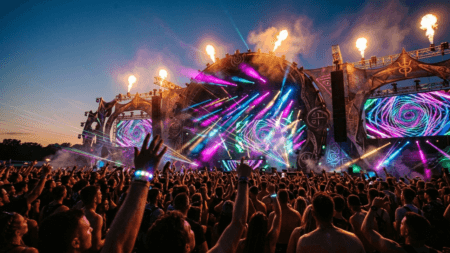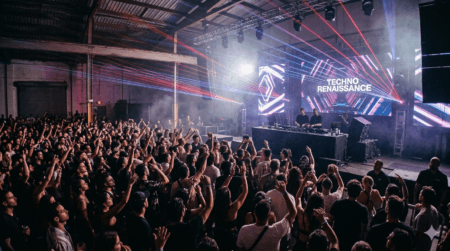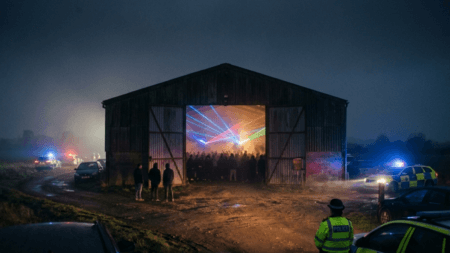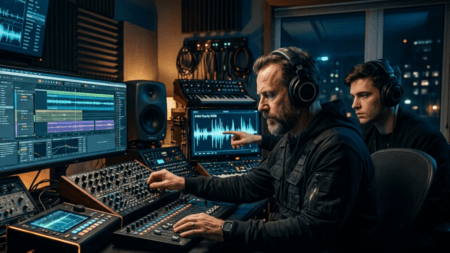


The human element remains the ultimate filter in an era where AI music production can feel like a soulless “black box” of algorithms.
In the fast-evolving landscape of 2026, AI music production has shifted from a controversial novelty to a standard industry utility. For veteran producers and underground stalwarts alike, the challenge isn’t whether to use these tools, but how to do so without sacrificing the “ghost in the machine”—that intangible human touch that makes a track resonate on a dark, sweaty dancefloor. If you’re just hitting “generate” and calling it a day, you’re not a producer; you’re a prompt engineer. To truly master the AI music production workflow, you must treat artificial intelligence as a high-powered intern, not the creative director.
1. The “Curation First” Methodology
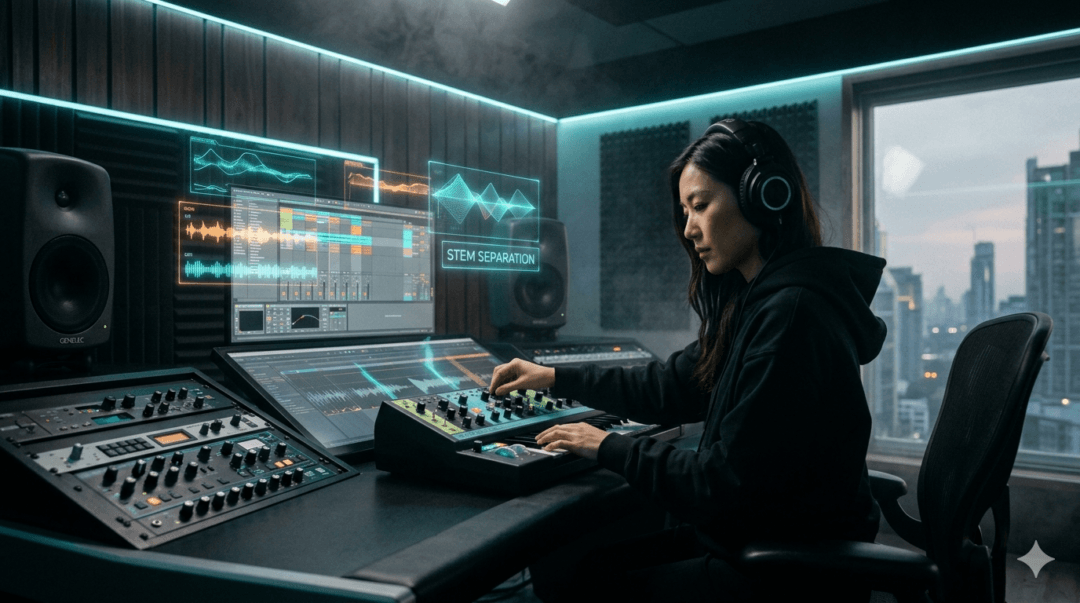
The most critical skill for a modern producer is no longer just sound design; it is curation. When using generative tools like Suno AI or Udio, the output is often a polished, “mid” version of a genre. To elevate this, you should focus on stem separation using tools like LALAL.AI or RipX DAW.

Instead of using the full AI-generated loop, extract only the parts that have character. Maybe it’s a specific harmonic texture or a rhythmic glitch that would take hours to program manually. By isolating these elements and re-processing them through analog outboard gear or distinctive VSTs like AuralSynth AI, you reintroduce the imperfections that define electronic music’s various sub-genres. This “Frankenstein” approach ensures the DNA of the track remains yours, even if the building blocks were silicon-born.
2. Ethical Sampling and Training Data
E-E-A-T (Experience, Expertise, Authoritativeness, and Trustworthiness) isn’t just for Google; it applies to your brand as an artist. With the SXSW 2026 panels highlighting the backlash against “scraped” data, the underground is moving toward ethical AI models.
Did you know? You can now build your own “Custom AI Voice” or “Genre Model” using only your previous masters. This ensures that the “AI assistance” you receive is literally a reflection of your own signature sound, avoiding the ethical pitfalls of using models trained on stolen intellectual property. This is a massive win for domain authority in the music space, as it proves you are an innovator rather than a pirate.
3. Breaking the “Algorithmic Same-ness”
One of the biggest risks of AI music production is the “flattening” of sound. Algorithms are built on probability, meaning they aim for the most “likely” next note. Great music usually happens when the “unlikely” happens.
To combat this, use AI for the “boring” stuff—organizing your sample library with Bridge.audio or fixing frequency masking with iZotope Neutron 5—and save your brainpower for the creative “left turns.” If the AI suggests a standard 4/4 tech-house beat, try shifting the MIDI to a syncopated breakbeat. The friction between the machine’s logic and your human intuition is where the next viral EDM hit lives. Authentic producers know that the “mistakes” are often the hooks that stick.
4. The MIDI Over Audio Commandment
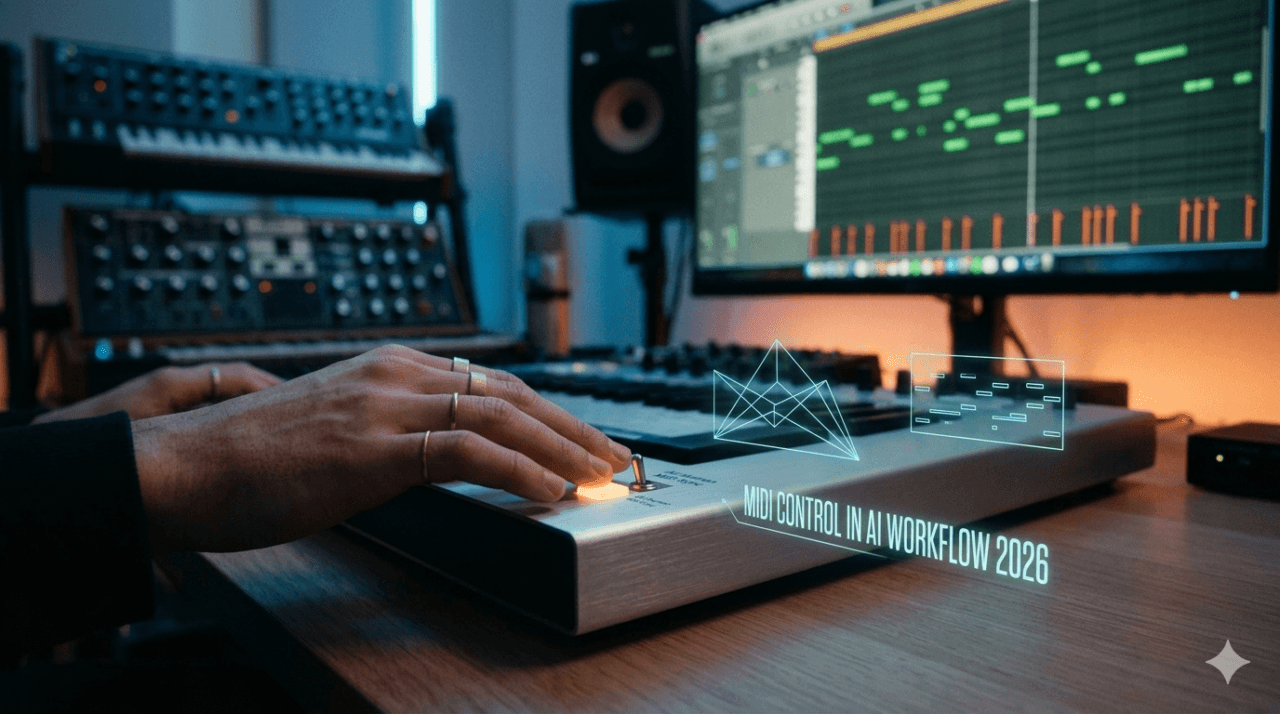
If you want to maintain a high SEO-rank in the hearts of your fans and peers, you must prioritize MIDI data over raw audio files. Generators like AIVA or Orb Producer Suite are fantastic for overcoming writer’s block, but using the raw audio output is a shortcut to mediocrity.
By exporting the MIDI, you retain control over the timbre, velocity, and swing. You can route that AI-generated melody into a Moog Matriarch or a high-end U-he Diva preset. This adds a layer of “Expertise” (the E in E-E-A-T) that a machine cannot replicate. It proves you understand the physics of sound, not just the math of a prompt.
5. Vocal Synthesis and the “Uncanny Valley”
We’ve all heard the AI-Drake or AI-Weeknd tracks that flooded the internet in 2023. By 2026, the novelty has worn off. If you are using vocal synthesis, use it as a layer rather than the lead.
- Vocal Transformation: Use your own voice as the “source” and use AI to shift the character.
- Glitch Aesthetics: Intentionally push the AI to its breaking point to create “digital artifacts” that sound like futuristic textures.
- Harmonic Reinforcement: Use AI to generate 5-part harmonies for a real human vocal take.
6. Hybrid Mixing and Technical Authority
The final 10% of a track is where the “Trustworthiness” of your brand is established. While AI mastering tools like Landr or eMastered have become incredibly sophisticated, they lack the emotional context of a club environment.
A machine doesn’t know how a sub-bass feels when it hits a 30,000-watt rig at Tomorrowland. It only knows the target LUFS and frequency curve. Use AI to do the “surgical” work—identifying resonant peaks or cleaning up mud—but trust your ears for the final “vibe” check. If the machine says the bass is too loud, but your gut says it’s exactly what the dancefloor needs, ignore the machine.
7. Transparency as a Branding Tool
In a world saturated with AI-generated content, transparency is the new luxury. Artists who are open about their hybrid workflows are gaining more traction than those trying to hide it. Documenting your process on social media—showing how you took a generic AI loop and turned it into a peak-time techno weapon—builds a deeper connection with your audience. It shows that the “human” is still the one in the driver’s seat, making the critical decisions that lead to a finished piece of art.
About Global EDM Authority
The Global EDM Authority is the definitive source for daily electronic dance music news, serving as the heartbeat of the industry. Operating as a world-class Global Record Label, Music Publisher, and Neighboring Rights specialist, we provide an integrated ecosystem for artists and fans alike. Stay at the forefront of the scene with our latest EDM News, or partner with our Record Label, Neighboring and Publishing divisions to amplify your global impact. The Global EDM Authority: Powering the Culture.